Introduction: Gel nail polish has become a core service in modern nail salons. Its durability, glossy finish, and long-lasting wear have made it a preferred option for both clients and professionals.
Despite its popularity, gel polish is often misunderstood. Many issues such as peeling, uneven texture, or unexpected color changes are not caused by the product itself, but by a lack of understanding of how gel systems actually work. This guide explores the fundamentals of gel nail polish from a professional perspective.
1. What Is Gel Nail Polish?
Gel nail polish is a coating system that remains liquid until it undergoes a controlled curing process. Unlike traditional nail polish, which dries through solvent evaporation, gel polish requires activation to harden.
This activation process allows gel polish to form a dense, durable structure on the nail surface. The result is a finish that resists chipping and maintains its appearance over an extended period, making it suitable for professional salon services.
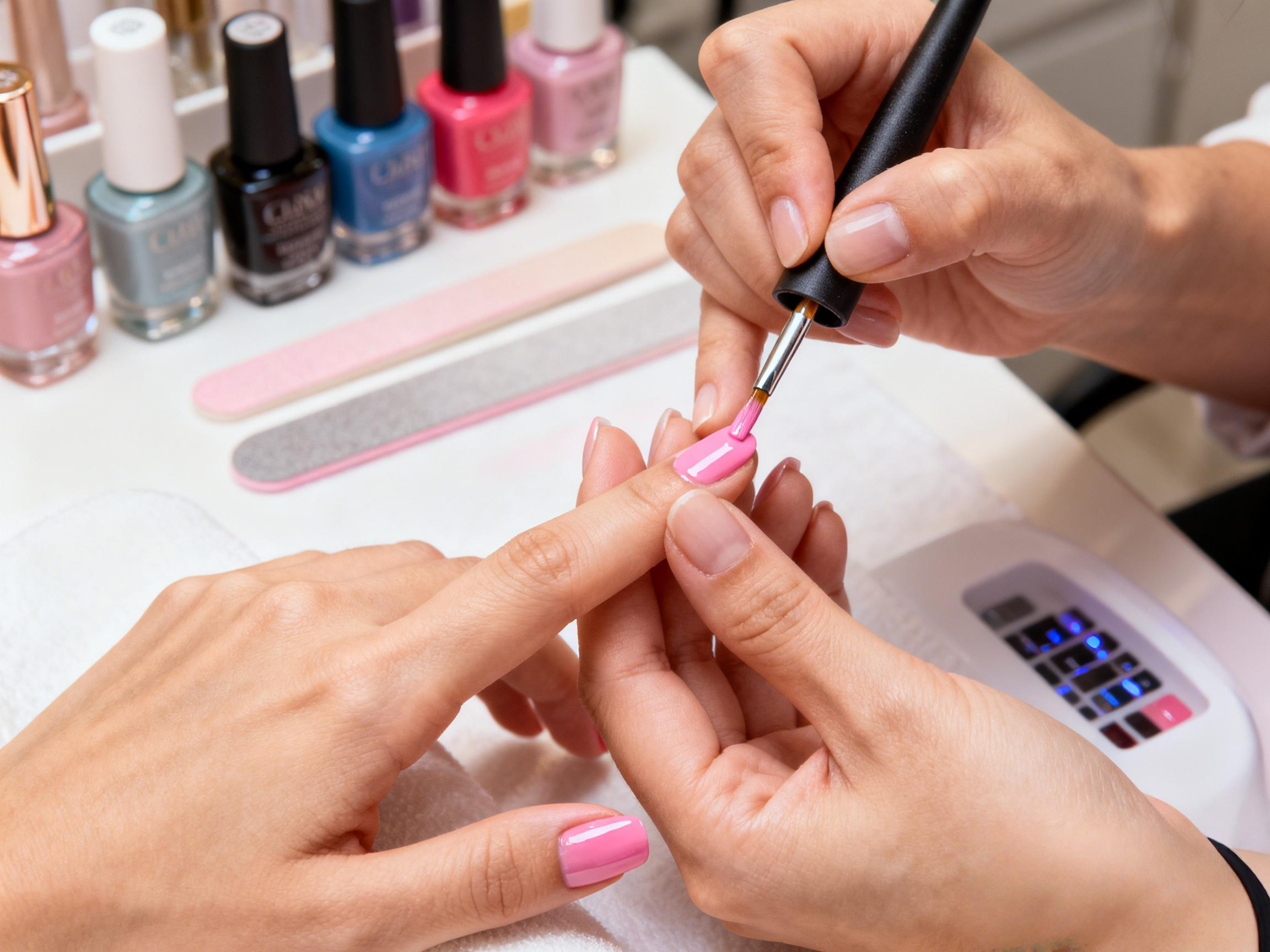
2. How Gel Polish Differs from Regular Nail Polish
Traditional nail polish dries as solvents evaporate, leaving behind a pigmented film. This process is relatively simple but results in a coating that is more prone to chipping and wear.
Gel polish, on the other hand, relies on a chemical reaction that creates a cross-linked structure. This structural difference explains why gel polish feels harder, lasts longer, and maintains its gloss compared to regular polish.
Understanding this distinction helps professionals explain to clients why gel services require specific steps and why shortcuts often lead to unsatisfactory results.
3. The Science Behind the Curing Process
Curing is the defining step in gel nail services. During this process, photo-initiators within the gel formula activate and trigger molecular bonding. This transforms the gel from a soft coating into a solid, protective layer.
Proper curing depends on multiple factors, including layer thickness, product formulation, and consistency of application. When any of these factors are overlooked, the gel may appear set on the surface while remaining under-cured beneath.
This explains why some gel nails feel firm initially but later peel, wrinkle, or lose durability.
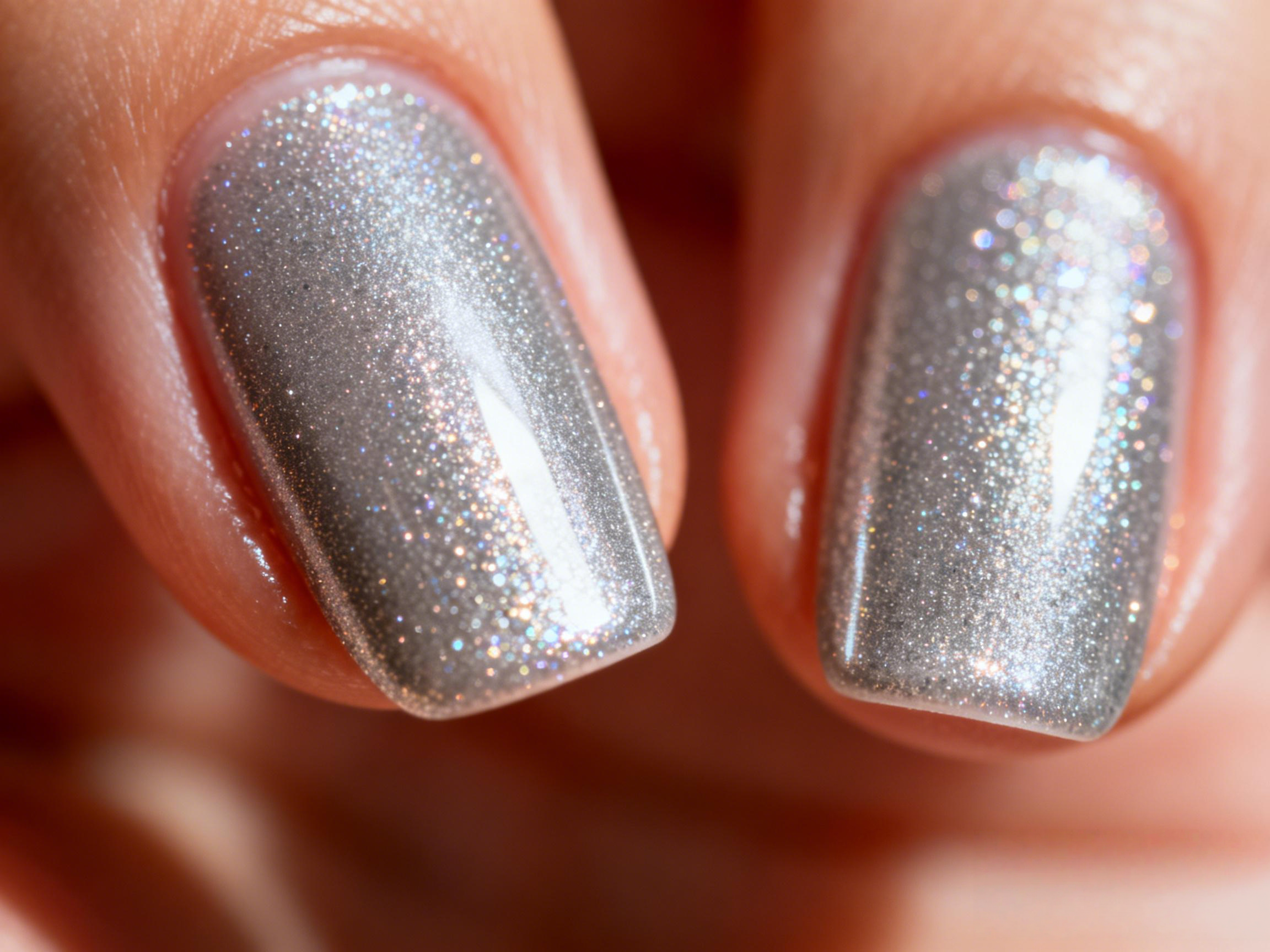
4. Why Common Gel Nail Problems Occur
Many gel nail issues are not random. They often stem from predictable factors related to application and curing technique.
Common causes include:
- Applying gel layers that are too thick
- Insufficient preparation of the natural nail surface
- Inconsistent curing conditions
- Using incompatible products within the same service
Recognizing these patterns allows nail technicians to diagnose issues more effectively and make informed adjustments to their process.
5. Professional Practices for Consistent Results
Professional gel nail services rely on consistency rather than speed. Applying gel in thin, controlled layers helps ensure even curing and long-term durability.
Following manufacturer guidelines for each product is equally important. Different gel formulas may behave differently, and understanding these nuances is part of professional expertise.
Finally, evaluating the finished result under consistent conditions before completing the service helps ensure client satisfaction and reduces post-service issues.
Frequently Asked Questions
Why does gel polish sometimes peel even after curing?
Peeling is often caused by insufficient curing, excessive layer thickness, or inadequate nail preparation.
Does gel polish always last longer than regular polish?
When applied and cured correctly, gel polish typically offers longer wear and better durability than traditional polish.
Can gel polish feel uncomfortable on the nail?
Improper application or over-curing can cause discomfort. Correct technique helps minimize these issues.
Conclusion
Gel nail polish is a professional system that combines chemistry, technique, and experience. Understanding how gel polish works enables nail technicians to deliver more consistent results, reduce service issues, and build long-term client trust.